Boosting Biodiversity: Creating a Wildlife-Friendly Landscape in Your Backyard Dec 22, 2025
Understanding the role of wildlife-friendly landscaping is a vital first step. When you create a diverse habitat with native plants, natural features, and sustainable practices, you're supporting local wildlife populations of birds, butterflies, bees, and other beneficial creatures. Native plants are crucial as they provide food and habitat that indigenous wildlife species have evolved alongside. They are more adaptive to the local climate and require fewer resources like water and pesticides, making your home turf sustainable and environmentally friendly.
Begin by re-evaluating your current landscape. Are there non-native plants or traditional turf grasses that dominate your backyard? Replacing these with native plants should be your primary objective. Choose a variety of native flowers, shrubs, and grasses that bloom at different times of the year. This ensures a steady food supply and habitat diversity throughout seasons. For instance, consider incorporating plants like milkweed for monarch butterflies, echinacea for bees, and berry-producing shrubs for birds.
Pollinators are among the most critical contributors to our ecosystems. Establishing a pollinator-friendly zone can enhance your garden’s biodiversity significantly. Designate an area with a mix of wildflowers and native plants. Avoid pesticides and chemicals that can harm these essential species. Instead, promote natural methods of pest control, such as introducing ladybugs and other beneficial insects.
The inclusion of water features can greatly attract a wider array of wildlife. Even a small pond or birdbath can make a significant impact. Water draws in amphibians and birds, providing them with a place to drink, bathe, and breed. Ensure the water source is clean and consider adding aquatic plants that support a healthy ecosystem. Place stones or logs around to allow animals easy access.
Creating natural shelters is another essential component of a wildlife-friendly landscape. Logs, rock piles, and brush provide excellent cover for small animals and resting nooks for various species. Consider leaving a section of your garden a bit wild to accommodate these environments. Birdhouses and bat boxes can also be strategically placed to offer additional living spaces.
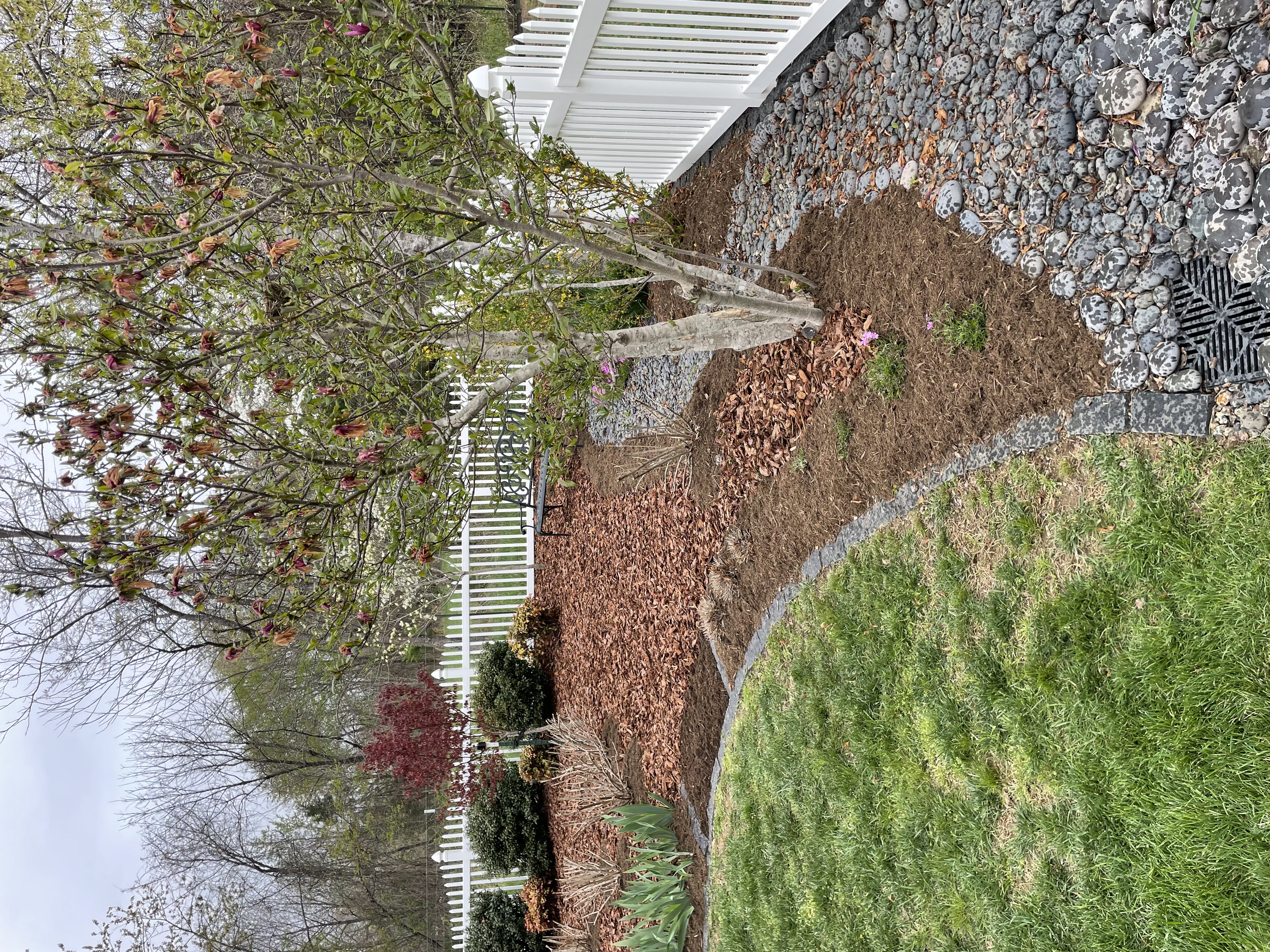
Lastly, maintain your landscape with gentle care. Seasonal maintenance is key to fostering an inviting habitat. Instead of bagging leaves in fall, consider creating a leaf pile. Leaves can decompose, enriching the soil while providing habitat for insects and fungi, which are crucial to the food chain. During spring, allow flowers to bloom before trimming back old growth.
In conclusion, creating a wildlife-friendly landscape can significantly increase biodiversity in your backyard. At Chiles Lawn & Landscaping, we encourage homeowners to view their yards as potential sanctuaries for wildlife. By incorporating native plants, establishing water sources, and providing natural shelters, you can cultivate a thriving ecosystem that benefits both wildlife and your family. Begin this rewarding journey today and watch as your backyard becomes a vibrant canvas of life and beauty.
/filters:no_upscale()/filters:format(webp)/media/3b96452e-ac0b-42e0-b976-31529121651c.jpeg)
/filters:no_upscale()/filters:format(webp)/media/35a0a40f-5bfc-430c-ae68-fd912de7d347.jpeg)