Sustainable Landscaping: Eco-Friendly Practices for Your Yard Nov 25, 2025
First, consider integrating native plants into your landscaping. Native plants are well adapted to the local climate and soil conditions, requiring less water and maintenance. This not only saves time and resources but also supports local wildlife, including beneficial pollinators like bees and butterflies. When selecting plants, think about their long-term growth, ensuring they fit well with your landscape's scale and do not require excessive pruning or fertilization.
Water conservation is a critical part of sustainable landscaping. Implementing a smart irrigation system can significantly reduce water usage. These systems can be programmed to deliver water only when necessary, based on weather conditions and soil moisture levels. Additionally, consider installing rain barrels to collect and utilize rainwater for your garden. This simple practice can dramatically cut down on water usage and help you manage resources more efficiently.
Soil health is foundational to sustainable landscaping. Healthy soil promotes stronger plant growth, reduces the need for chemical fertilizers, and enhances water retention. To improve your soil, incorporate organic matter like compost, which enriches the soil with nutrients and beneficial microorganisms. Composting organic waste from your kitchen and garden not only reduces landfill waste but also closes the loop in your sustainable practices by providing rich fertilizer for your plants.
Another key component of eco-friendly landscaping is reducing chemical usage. Opt for organic fertilizers and pest control methods to protect your plants and the surrounding environment. Chemical pesticides and fertilizers can harm local wildlife and leach into water supplies, causing broader ecological damage. Natural pest deterrents, companion planting, and maintaining a balanced ecosystem within your yard help manage pests effectively without harsh chemicals.
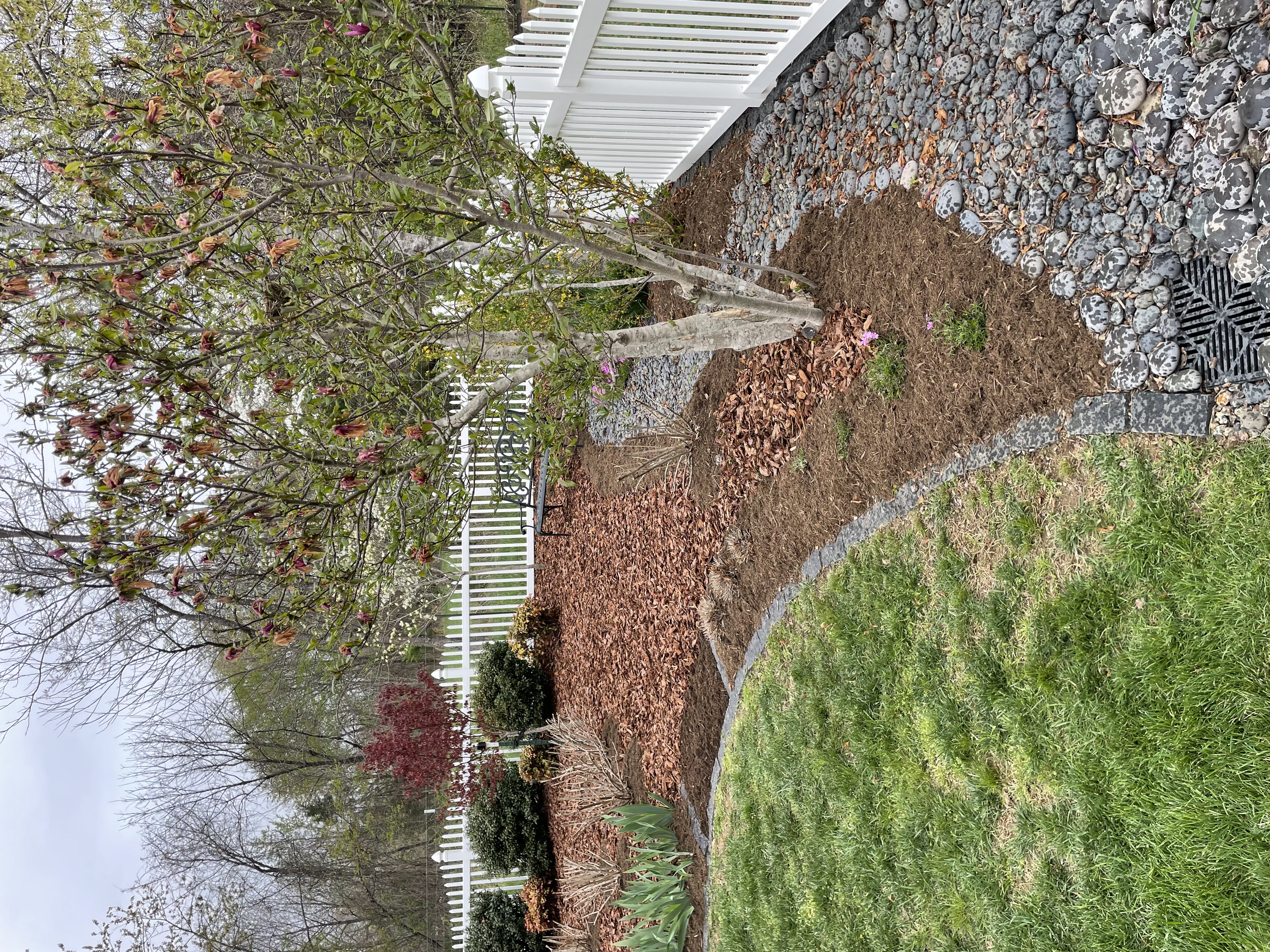
Hardscaping should also be considered in a sustainable landscape design. Using permeable materials for pathways and patios can help manage stormwater runoff by allowing water to permeate through the surface and into the ground. This prevents erosion and promotes groundwater recharge. Choose durable, locally sourced materials to minimize transportation impacts and ensure the longevity of your landscape features.
Finally, sustainable landscaping is not just about what you plant or build, but also how you maintain it. Regular maintenance with eco-friendly tools is crucial. Opt for electric or hand-powered tools instead of gasoline-powered ones to reduce emissions. Employ practices like mulching to retain soil moisture and suppress weeds naturally, reducing the need for herbicides and frequent watering.
Sustainable landscaping practices not only improve the aesthetic appeal and health of your yard but also contribute to the overall health of our planet. By implementing these eco-friendly practices, you can create a resilient landscape that thrives in harmony with the environment. At Chiles Lawn & Landscaping, we're committed to helping you design and maintain beautiful, sustainable outdoor spaces. Transform your yard into a model of eco-friendly living today, and be a part of the change for a healthier, greener tomorrow.
/filters:no_upscale()/filters:format(webp)/media/3b96452e-ac0b-42e0-b976-31529121651c.jpeg)
/filters:no_upscale()/filters:format(webp)/media/35a0a40f-5bfc-430c-ae68-fd912de7d347.jpeg)