The Art of Color in Landscaping: Creating Visual Impact in Your Yard May 09, 2026
At the heart of impactful garden design is a thoughtful approach to color selection, which involves more than just picking a few favorite hues. A well-executed color scheme considers the psychology of color, the natural surroundings, and how different shades interact throughout the seasons. By effectively harnessing these elements, you can create a harmonious outdoor space that reflects your personal style while complementing the natural beauty of your home.
To begin with, consider the psychological impact of colors. In landscaping, color can influence emotions and perceptions. Cool colors like blues, greens, and purples are often associated with tranquility and relaxation, making them ideal for areas designed for quiet reflection or meditation. Conversely, warm colors such as reds, oranges, and yellows can bring energy and vibrancy to a space, encouraging social interaction and drawing the eye to focal points in your garden.
When planning your landscape design, it is essential to consider the existing environment. Take into account the color of your home’s exterior, the surrounding landscape, and any established plants or hardscape features. A cohesive color palette that harmonizes with these elements will result in a more natural and integrated appearance. For instance, if your home features earthy tones, incorporating plants with complementary colors like rich greens and browns, along with pops of bright reds or yellows, can create a cohesive and inviting look.
Seasonal considerations are also crucial in landscaping color choices. Selecting a mixture of perennials and annuals that bloom at different times can ensure your garden remains vibrant throughout the year. Spring might be dominated by pastel shades, while summer offers bolder hues. As fall approaches, you can enjoy the rich, warm colors of autumn foliage, leading into the muted tones of winter. By planning for year-round color, you ensure that your garden is continually evolving and providing visual interest.
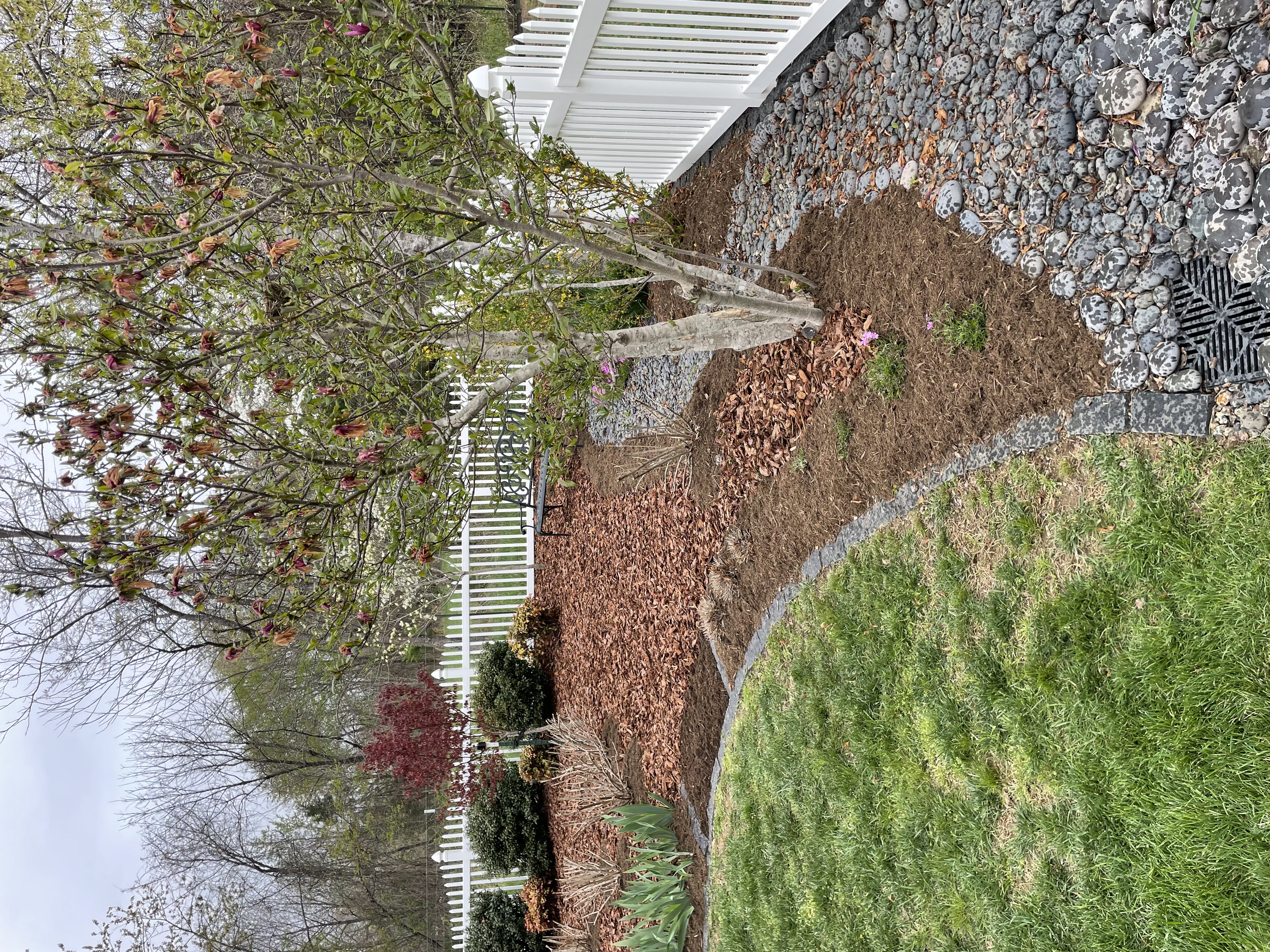
Incorporating hardscape features such as pathways, retaining walls, and patios allows for additional opportunities to introduce color through materials and finishes. Using natural stone or colored pavers not only adds texture but also complements the plant selections, enhancing the overall design. Consider integrating subtle lighting to highlight these features at night, creating a magical atmosphere that underscores the landscape’s color scheme.
With the right guidance from professionals like Chiles Lawn & Landscaping, your garden can become a masterpiece of color that not only enhances curb appeal but also offers a personal retreat rich in both beauty and function. Whether you’re starting from scratch or revitalizing an existing garden, understanding the art of color in landscaping can transform your yard into a breathtaking outdoor oasis.
In conclusion, the thoughtful use of color in landscaping is more than an aesthetic choice—it’s a way to express creativity, influence emotions, and create a harmonious extension of your home. By considering the psychological impacts, working with natural surroundings, planning for seasonal changes, and integrating hardscape elements, you can achieve a dynamic and inviting space. At Chiles Lawn & Landscaping, we are here to help you realize the full potential of your yard, using the timeless art of color to create an unforgettable visual impact.
/filters:no_upscale()/filters:format(webp)/media/3b96452e-ac0b-42e0-b976-31529121651c.jpeg)
/filters:no_upscale()/filters:format(webp)/media/35a0a40f-5bfc-430c-ae68-fd912de7d347.jpeg)